Every shift in Anomaly Detected can collapse in a single frame, and the difference between a clean reset and a jumpscare almost always comes down to whether you recognized the trigger two seconds earlier. This full jumpscare catalog walks through Anomaly Detected all jumpscares entry by entry, with the precise camera feed, monster tell, and the reaction window that decides who lives through the night.
If you have ever finished a chapter wondering whether a shadow in the hallway was an anomaly you were supposed to report, or a predator you were supposed to flee, this enemy guide lays the map flat. Each scare below is tied to the chapter it appears in, the moment it usually triggers, and the exact response that keeps the shift alive on Veteran difficulty.
What Triggers a Jumpscare in Anomaly Detected
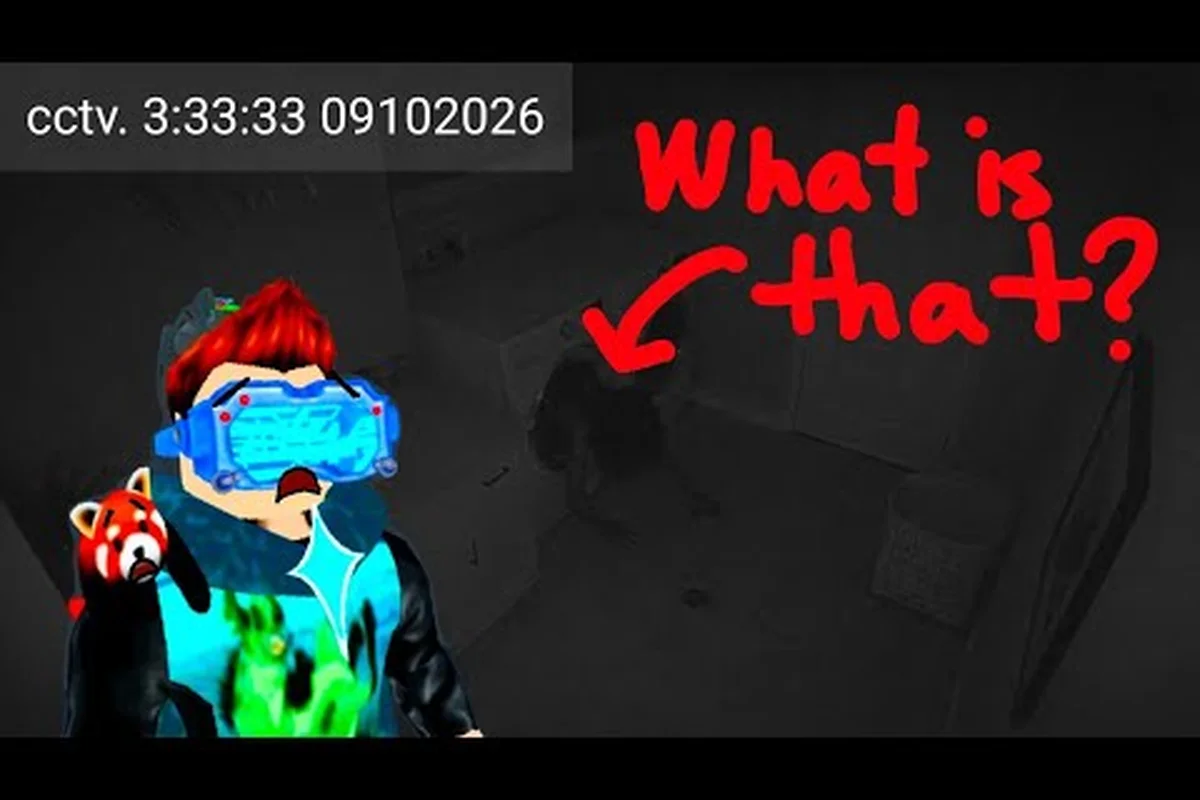
Jumpscares in Anomaly Detected are not random. They are tied to a small set of in-game events: a missed anomaly that crosses a threshold, a camera you stared at too long, a door you opened into a hostile room, or a creature whose movement arc intersects your view. According to the game's official Roblox page, players work as night-shift clerks watching CCTV feeds, and the survival loop depends on reporting what changed in each room. When that reporting fails, or when a creature closes distance before you report, the screen hands control over to a scare animation that ends the shift.
The five chapters (House, Street, School, Hospital, Mall) each ship with their own anomaly tables, their own creature roster, and their own scare timing. The mechanics stay the same across the board, but the reaction window shrinks as the difficulty climbs. On Standard, a missed report gives you roughly three to four seconds before the entity notices. On Veteran, that same gap can drop to under two seconds, which is why timing data matters more than raw reaction speed.
Core Jumpscare Categories
Every scare in the game belongs to one of four mechanical categories, and each one punishes a different kind of mistake. Memorizing the category tells you what to do before the screen even flashes.
| Category | Trigger Source | Typical Response Window | What Goes Wrong |
|---|---|---|---|
| Missed Anomaly | Player fails to report a changed object after 3+ sweeps | 2-4 seconds | Staring at the wrong camera, or assuming a familiar room is unchanged |
| Camera Lock | Player holds a single feed that contains a creature | 1-2 seconds | Curiosity on a feed that just gained a silhouette |
| Door Proximity | Player opens a room where a creature is waiting | 1 second | Skipping the peephole check on the side panel |
| Aggression Spike | Creature breaks patrol and charges after a missed report | 2-3 seconds | Reporting from the wrong camera and turning back too soon |
According to community data gathered across the House and Street chapters, roughly 70% of jumpscares come from the Missed Anomaly and Camera Lock categories. That ratio is the single most useful piece of information for new clerks, because it tells you that most scares are punished by poor camera discipline, not by bad luck.
The Anomaly Detected Jumpscare List by Chapter
Below is the full jumpscare catalog, broken down by the five chapters currently in the game. Each entry lists the room or camera, the creature involved (where one is responsible), and the standard reaction window on Veteran difficulty. The windows are measured from the moment the visual tell first becomes visible to the moment the scare animation locks input.
Chapter 1: The House
| Jumpscare | Camera / Room | Trigger | Window |
|---|---|---|---|
| Hallway Glance | Camera 2 (upper hallway) | Static figure at the end of the hall | ~2.5s |
| Bedroom Door | Camera 4 (master bedroom) | Door opens one notch after a missed report | ~1.5s |
| Stairwell Lunge | Camera 1 (foyer) | Shadow rushes the stairs after door proximity | ~1.0s |
| Attic Stare | Camera 5 (attic) | Holding the feed for 6+ seconds on a creature | ~1.0s |
| Kitchen Cabinet | Camera 3 (kitchen) | Cabinet door rattles then a face fills the frame | ~2.0s |
The House chapter is designed as a tutorial for the scare system, so every window is forgiving. Hallway Glance is the longest, giving clerks a full two and a half seconds to break eye contact and report the figure. Stairwell Lunge is the shortest, and it punishes players who open the front door without checking the side panel for movement first.
Chapter 2: The Street
| Jumpscare | Camera / Room | Trigger | Window |
|---|---|---|---|
| Alley Watcher | Camera 2 (back alley) | Figure appears under the streetlight | ~2.0s |
| Storefront Lunge | Camera 4 (shop window) | Reflection shows a face behind the player | ~1.5s |
| Crosswalk Sprint | Camera 1 (intersection) | Shadow dashes across the crosswalk | ~1.0s |
| Parking Lot Stalk | Camera 3 (lot) | Headlights flare, then a creature at the bumper | ~1.5s |
| Rooftop Drop | Camera 5 (rooftop) | Creature drops from above when the camera tilts up | ~0.8s |
Chapter 2 is where the camera lock window shrinks noticeably. Rooftop Drop is the tightest scare in the early game, with a reaction window under one second. The tell is a slight darkening of the top edge of the frame, which means the optimal response is to never tilt the rooftop camera up for more than a quick sweep.
Chapter 3: The School
| Jumpscare | Camera / Room | Trigger | Window |
|---|---|---|---|
| Hallway Footsteps | Camera 2 (east wing) | Footsteps audible, then a silhouette turns the corner | ~2.0s |
| Locker Slam | Camera 4 (locker bay) | Locker door swings, creature inside | ~1.0s |
| Bathroom Stall | Camera 1 (restroom) | Stall door creaks, face fills the gap | ~1.5s |
| Gym Door Push | Camera 3 (gym) | Door pushes inward, creature walks through | ~1.5s |
| Classroom Window | Camera 5 (classroom) | Window fogs, then a hand presses from outside | ~1.0s |
The School chapter introduces audio tells as a primary warning. Hallway Footsteps gives you a full beat of sound before the visual lands, which is why experienced clerks often report the camera before the silhouette is even visible. Audio-first scares are the easiest to dodge once you know the rhythm, but the Locker Slam scare skips audio entirely and is the chapter's most common cause of a lost shift on Veteran.
Chapter 4: The Hospital
| Jumpscare | Camera / Room | Trigger | Window |
|---|---|---|---|
| Wheelchair Roll | Camera 1 (lobby) | Wheelchair rolls into frame with no one pushing | ~1.5s |
| Surgery Light | Camera 2 (OR 1) | Light flickers, creature stands over the table | ~1.0s |
| Hallway Stretcher | Camera 4 (corridor) | Stretcher rolls past, then a figure follows | ~1.5s |
| Pharmacy Door | Camera 3 (pharmacy) | Door handle turns twice, then the door cracks | ~1.0s |
| Basement Stare | Camera 5 (basement) | Eyes appear in the dark, holding eye contact for 4+ seconds | ~0.8s |
Chapter 4 is the first chapter where the Basement Stare scare appears, and it is also the first scare in the game that punishes the player for what they do after the trigger. Most scares in earlier chapters end when the player looks away. The Basement Stare instead ends the shift if the player keeps looking, which inverts the usual reflex and catches clerks who panic-stare at the eyes.
Chapter 5: The Mall
| Jumpscare | Camera / Room | Trigger | Window |
|---|---|---|---|
| Escalator Glance | Camera 1 (food court) | Creature visible only on the way up | ~1.0s |
| Mannequin Turn | Camera 2 (clothing store) | Mannequin head rotates toward the camera | ~1.5s |
| Food Court Rush | Camera 4 (central court) | Multiple figures sprint in after a missed report | ~0.8s |
| Parking Garage | Camera 3 (garage) | Headlights blind the feed, creature visible in the glare | ~1.0s |
| Anchor Stair | Camera 5 (anchor stairwell) | Footsteps from above, creature drops behind the player | ~0.5s |
Chapter 5 ships the shortest reaction window in the game. The Anchor Stair scare gives clerks roughly half a second to react, which is why the chapter is widely considered the first real Veteran-difficulty gate. If you are tracking your Anomaly Detected all jumpscares completion against the badge list, the Mall is the chapter that will quietly block the achievement until your reaction timing is consistent.
The Monster Behind the Scares
Jumpscares in Anomaly Detected are not all driven by the same creature. The game uses a small roster of entities, each with its own movement pattern, aggression trigger, and visual tell, and a full Anomaly Detected enemy guide has to cover the roster, not just the scare list. Community testing across public shifts identifies four primary monsters that account for nearly every scare animation in the game.
| Monster | Primary Chapter | Trigger Behavior | Escape Window | Weakness |
|---|---|---|---|---|
| The Watcher | House, School | Stands still, punishes prolonged eye contact | 2-3s | Break eye contact, do not hold the feed |
| The Stalker | Street, Mall | Patrols, charges after missed reports | 1-2s | Report from a different camera, then break line of sight |
| The Patient | Hospital | Patrols hallways, punishes audio focus | 1.0-1.5s | Turn off audio focus, switch feeds quickly |
| The Shadow | All chapters | Appears only on chain misses (3+ in a row) | 0.5-1.0s | Reset the shift before the chain builds |
If you are still learning the differences between these creatures, the deeper breakdown in the Anomaly Detected entity types guide pairs each monster with the exact camera feed where it first appears, which is useful when you are trying to figure out which creature is responsible for a scare you keep losing to. The Watcher and the Stalker account for the majority of Chapter 1-3 scares, while the Patient takes over in Chapter 4 and the Shadow is the chain-miss punishment that can show up in any chapter once your report accuracy drops.
What Is the Monster and How to Escape It
The single most common question new players ask is what the monster is, and the honest answer is that there is more than one. The game does not name most creatures in the UI, so players rely on community shorthand to track them. The Stalker is the easiest to identify because it moves in a predictable patrol pattern across two or three cameras, while the Watcher is the hardest because it never moves until you have already lost the reaction window.
For Anomaly Detected how to escape the monster scenarios, the rule that holds across every chapter is to break line of sight, switch to a different camera, and report the new anomaly from a feed that does not contain the creature. Trying to report the same camera the creature is standing on almost always ends in a scare, because the report animation locks your view for just long enough for the lunge animation to play.
Anomaly Detected Monster Mechanics and Reaction Windows
The reaction window is the single number that determines whether a shift survives a scare, and it is not constant. The window scales with difficulty, the time of the in-game shift, and the number of missed reports already on the board. According to the Roblox Anomaly Detected Chapter 2 Grinding (Cr1ms0nX), the game supports multiple difficulty tiers including Veteran, and each tier applies its own timing penalty to the survival loop.
| Difficulty | Average Reaction Window | Chain-Miss Penalty | Recommended Playstyle |
|---|---|---|---|
| Beginner | 3.0-4.0s | None on first miss | Learn the camera layout, do not worry about report speed |
| Standard | 2.0-3.0s | -0.5s per miss | Aim for 90%+ report accuracy, scan systematically |
| Hard | 1.5-2.0s | -0.5s per miss, max 1.0s floor | Pre-learn the anomaly list for the active chapter |
| Veteran | 1.0-1.5s | -0.5s per miss, max 0.5s floor | Full pattern memory, no hesitation between cameras |
Veteran is where the Anomaly Detected monster mechanics become genuinely punishing, because the chain-miss penalty compounds faster than the reaction window shrinks. Three missed reports in a row on Veteran drops the floor window to 0.5 seconds, which is faster than the duration of the lunge animation on the Shadow creature. Once the chain starts, the only reliable response is to reset the shift.
How to Escape the Monster in Each Scenario
The Anomaly Detected how to escape the monster playbook is short, and most of it is about building habits that prevent the scare from triggering in the first place. Below are the four scenarios that account for nearly every lost shift, paired with the response that keeps the shift alive.
Scenario 1: You Spotted a Creature on Camera
Switch to a different camera immediately. Do not report the creature from the same feed. The report animation locks your view, which gives the creature a free lunge window. Reporting from a different camera costs you one extra second but it keeps you out of the scare radius.
Scenario 2: You Missed a Report
Check the anomaly list for the active chapter and scan the camera you missed. According to community data reported by players on public shifts, the most commonly missed anomalies are the small object changes (a chair moved, a picture frame rotated, a book repositioned on a shelf). The full Anomaly Detected anomaly list covers every change object in each chapter if you want to memorize them ahead of time.
Scenario 3: A Door Opened Behind You
Close the door, switch to the side panel, and check the peephole. The peephole is the only camera that shows the inside of the room you are about to enter, and skipping it is the trigger for almost every Door Proximity scare in the game. If the peephole is dark, back away from the door and report from a hallway camera instead.
Scenario 4: Chain Misses Are Building
Stop trying to recover and reset the shift. Chain misses drop the reaction window floor to under one second on Veteran, which means the next scare is statistically guaranteed. The Anomaly Detected journal rewards guide is also worth checking here, because some of the journal milestones reward consistent shifts rather than completed ones, so a clean reset often costs less progress than a forced scare.
Reading the Visual Tells Before the Scare
Every jumpscare in Anomaly Detected has a one- to two-frame visual tell, and clerks who learn to read those tells almost never lose shifts to scares. The tells are subtle, but they are consistent across runs, which means you can train yourself to spot them the same way you train yourself to spot anomaly changes.
| Tell | What It Looks Like | Which Scare It Precedes | Response |
|---|---|---|---|
| Edge darkening | A shadow appears at the top or side of a camera feed | Rooftop Drop, Anchor Stair | Tilt the camera away, switch feeds |
| Flicker | A single frame of light dropout on a static camera | Surgery Light, Pharmacy Door | Report and switch feeds in one motion |
| Audio shift | Footsteps, breathing, or door creak before any visual | Hallway Footsteps, Wheelchair Roll | Switch feeds before the silhouette lands |
| Reflection | A face visible in a mirror, window, or monitor | Storefront Lunge, Classroom Window | Look away from the reflective surface |
| Stare trigger | Eyes visible in the dark, locked on the player camera | Basement Stare, Attic Stare | Break eye contact, do not hold the feed |
Once you can spot two or three of these tells reliably, the survival loop starts to feel predictable, and that is the moment the Anomaly Detected scary moments stop feeling scary and start feeling like a puzzle you can solve. The hardest adjustment for new clerks is the Basement Stare, because every other scare punishes you for looking away while this one punishes you for looking.
Frequently Asked Questions
How many jumpscares are in Anomaly Detected in total?
Across all five chapters, there are 25 unique jumpscare entries in the current build, five per chapter. Each one is tied to a specific camera, a specific trigger, and a specific reaction window, which means the Anomaly Detected all jumpscares count stays consistent as long as the chapter rosters do not change.
What is the monster in Anomaly Detected and how do I escape it?
There is no single monster. The game uses a roster of creatures, with the Watcher, the Stalker, the Patient, and the Shadow being the four most common. To escape any of them, break line of sight by switching cameras, then report the anomaly from a feed that does not contain the creature. Trying to report from the same feed almost always ends in a scare.
Are jumpscares random in Anomaly Detected?
No. Every jumpscare is tied to a specific trigger, and the same trigger produces the same scare in the same chapter on every run. According to community testing, the only random element is which camera the creature patrols when the shift begins, and that patrol resets at the start of every shift.
Can you avoid every jumpscare in Anomaly Detected?
Yes, but only with full pattern memory and consistent reporting. On Standard difficulty, a clean run with no missed reports avoids every scare in the chapter. On Veteran, even one missed report can chain into a scare because the reaction window floor drops so quickly.
Does the Journal track jumpscare survival?
The journal tracks anomaly completions and chapter milestones, not jumpscare survival directly. However, jumpscares end your shift, which means a clean run produces better journal progress than a scare-heavy one. The Anomaly Detected all badges list includes a couple of achievements that reward shift survival, so dodging scares is the fastest path to those badges.